-
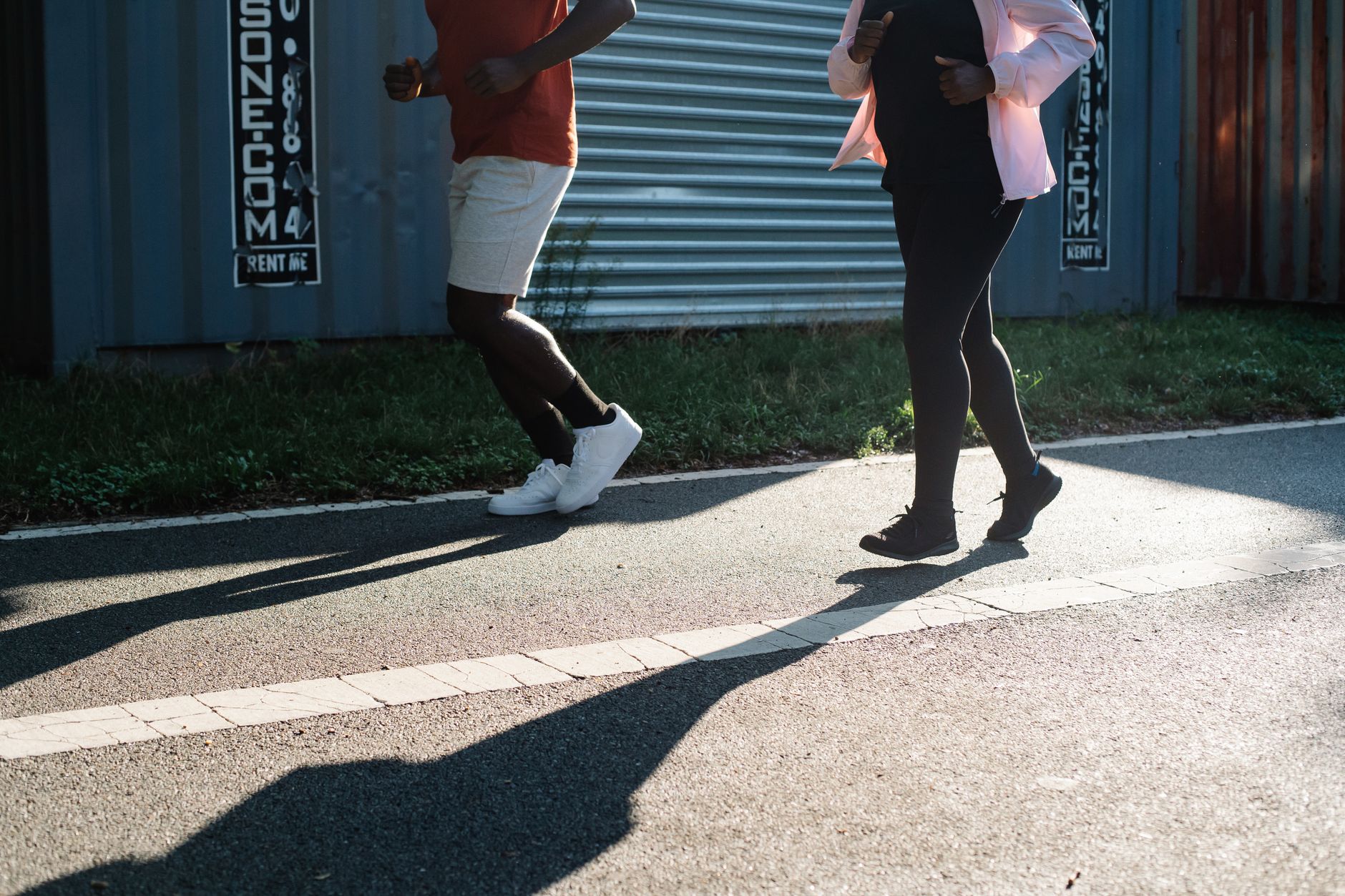
The most effective couch to 5K training plan for beginners uses run-walk intervals over 8-12 weeks, starting with 60-second running bouts and progressively building to continuous 30-minute efforts while limiting weekly mileage increases to 10-15% to minimize injury risk.
-
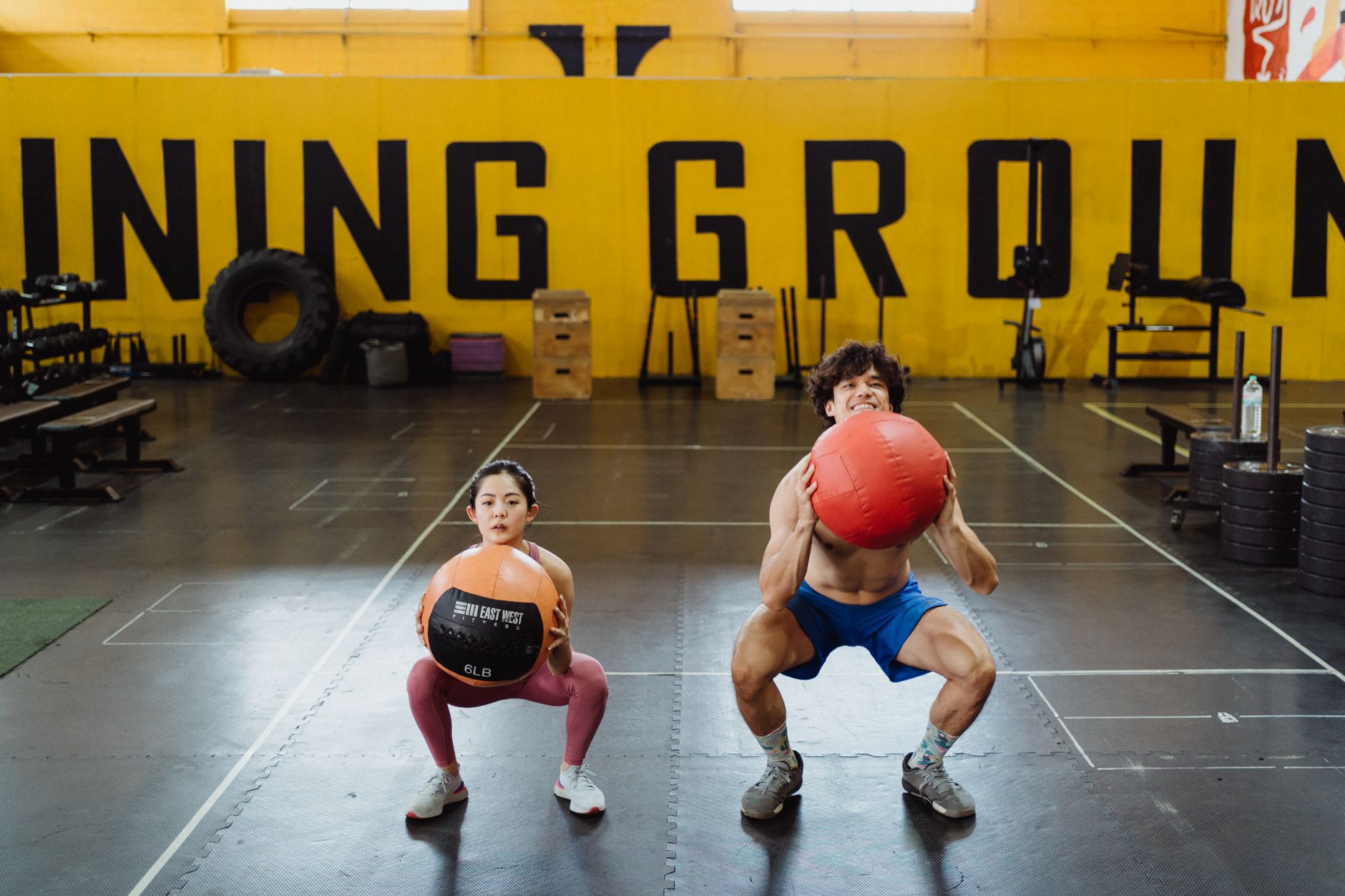
Research shows six foundational strength exercises—single-leg deadlifts, Bulgarian split squats, calf raises, glute bridges, planks, and lateral band walks—directly improve running economy, reduce injury incidence by up to 50%, and enhance power output when performed twice weekly.
-
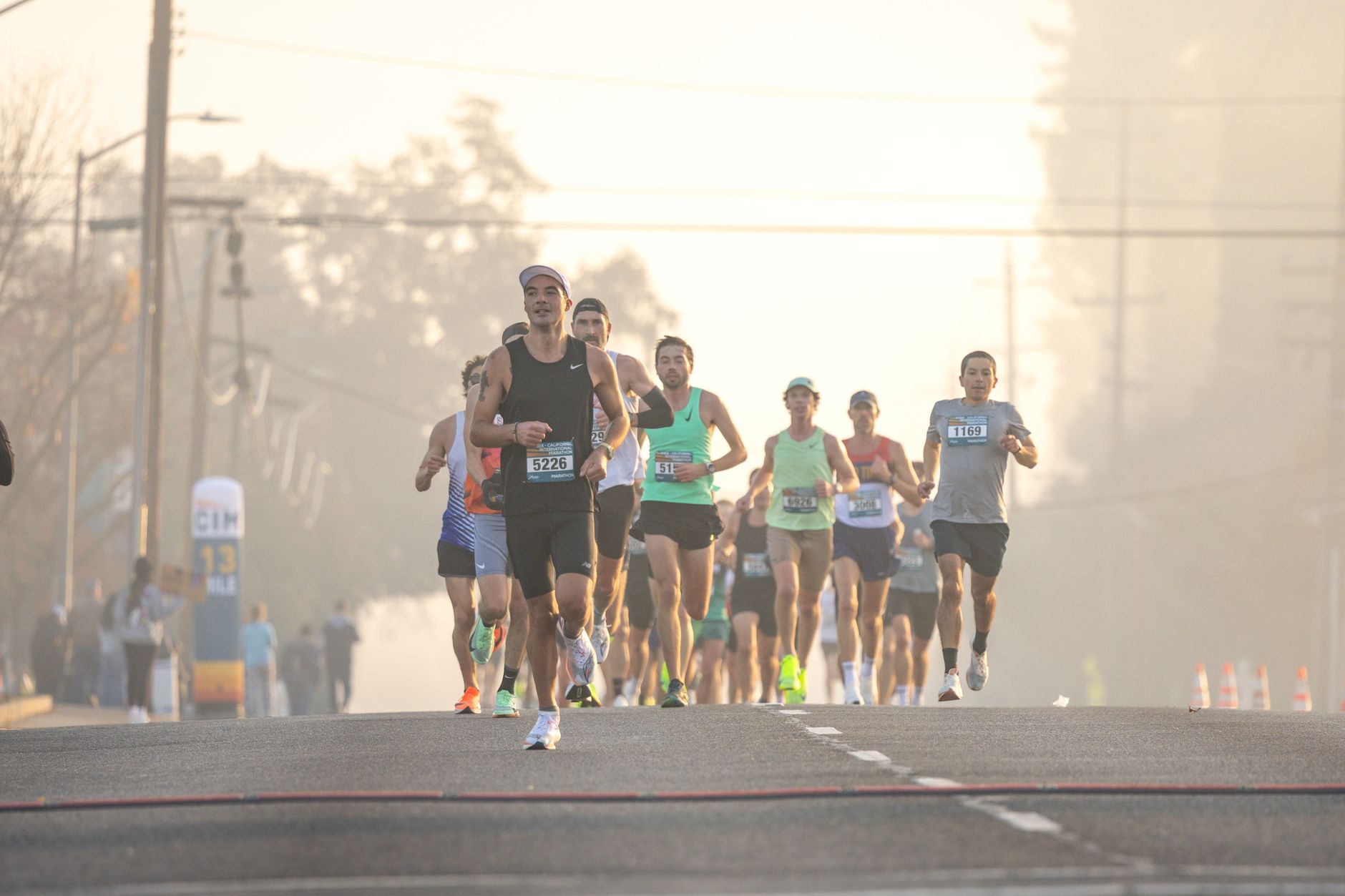
Marathon training demands a multi-shoe rotation: a high-stack daily trainer (400–500 mi durability) for easy runs, a firmer tempo shoe for threshold work, and optionally a carbon-plated racer for race-pace reps and race day.
-
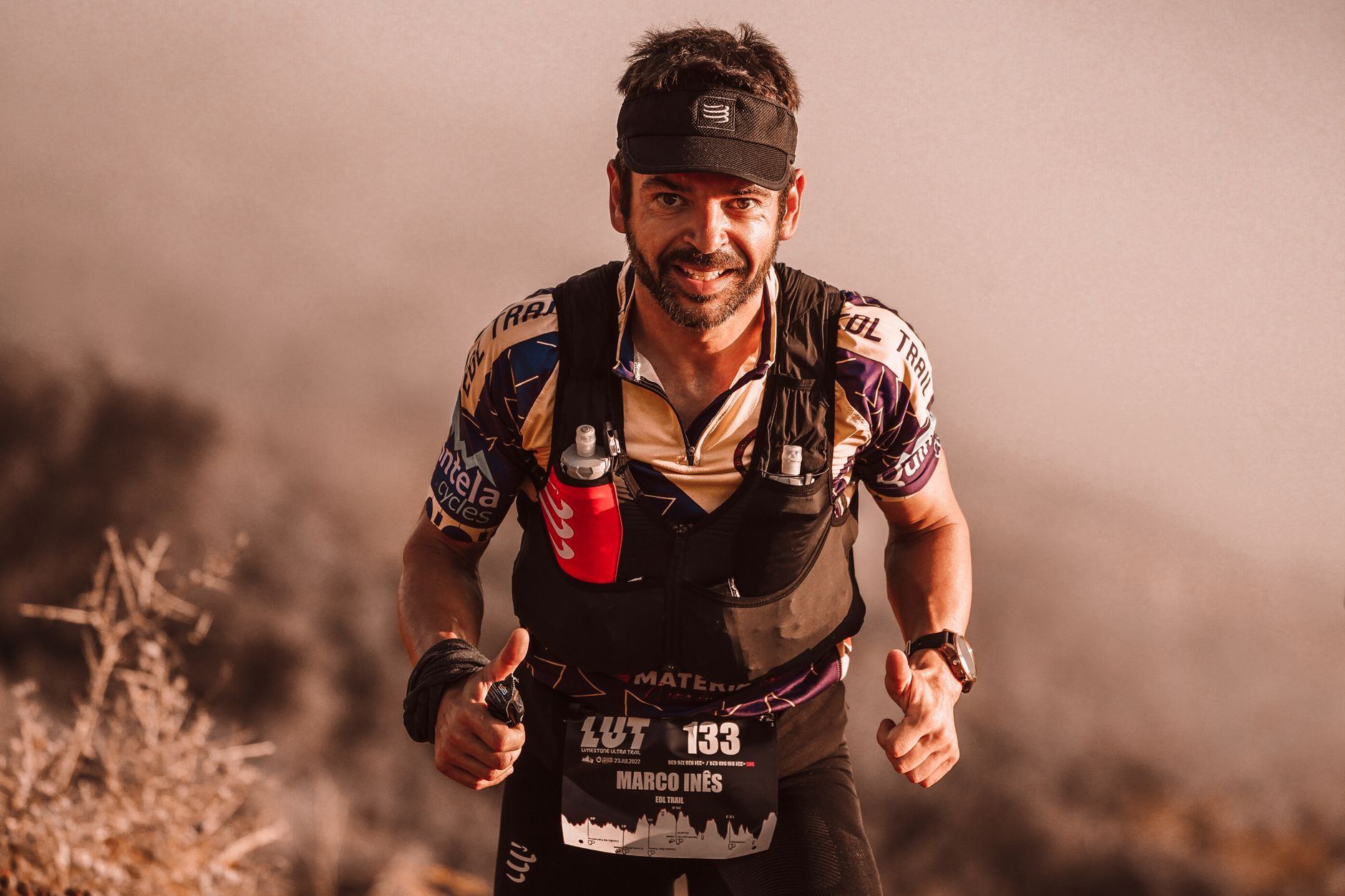
The best hydration vest for long runs depends on your distance and bounce tolerance. For efforts over 15 miles, look for 1.5–2L bladder capacity or dual front flasks with minimal shoulder-strap rotation during arm swing.
-
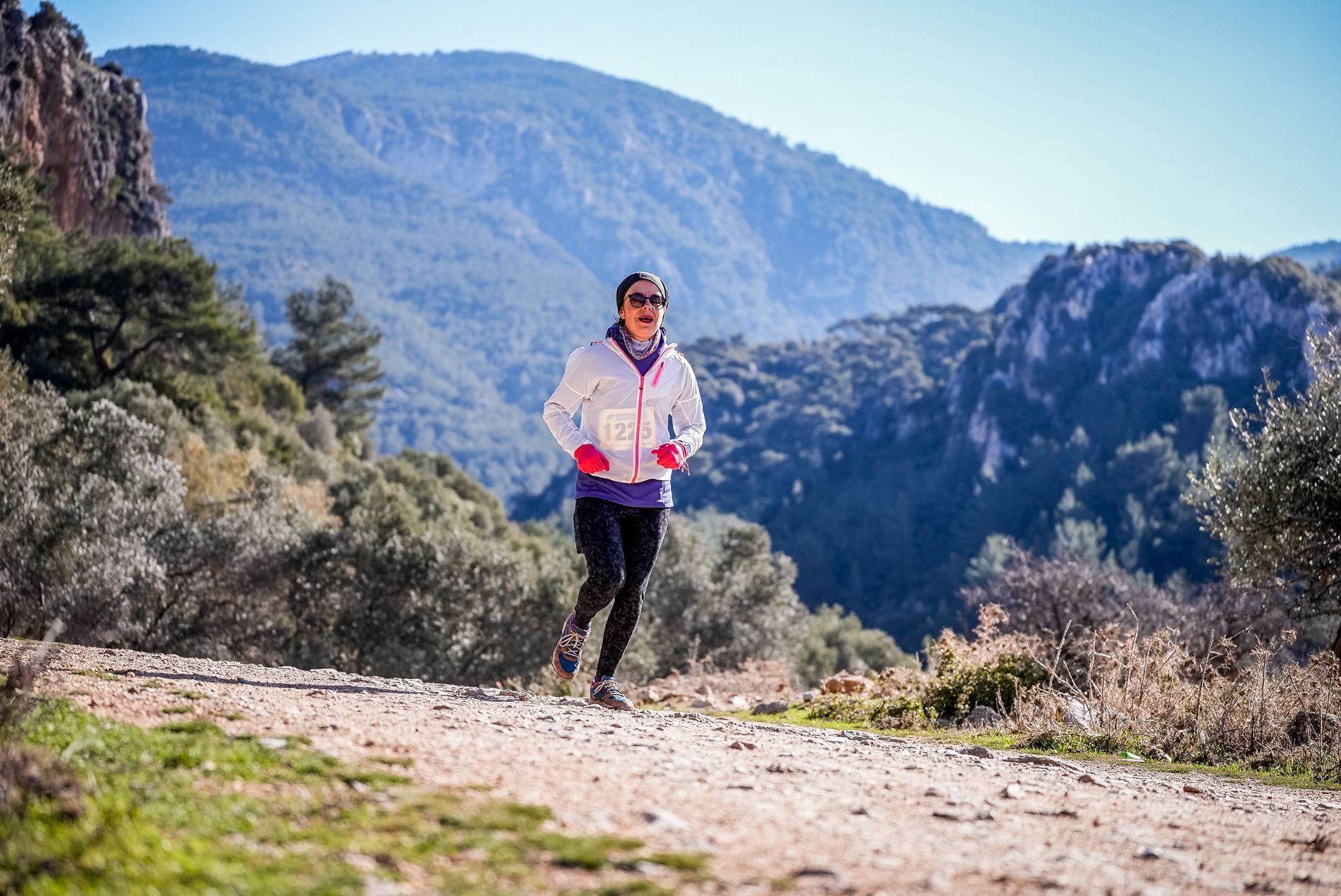
The best trail running shoes for ultras balance 30-40 mm cushioning stacks for sustained impact protection, Vibram or Continental outsoles for 300+ mile durability, and roomy toe boxes that accommodate 10-15% foot swell over 50K-100 mile efforts.
-
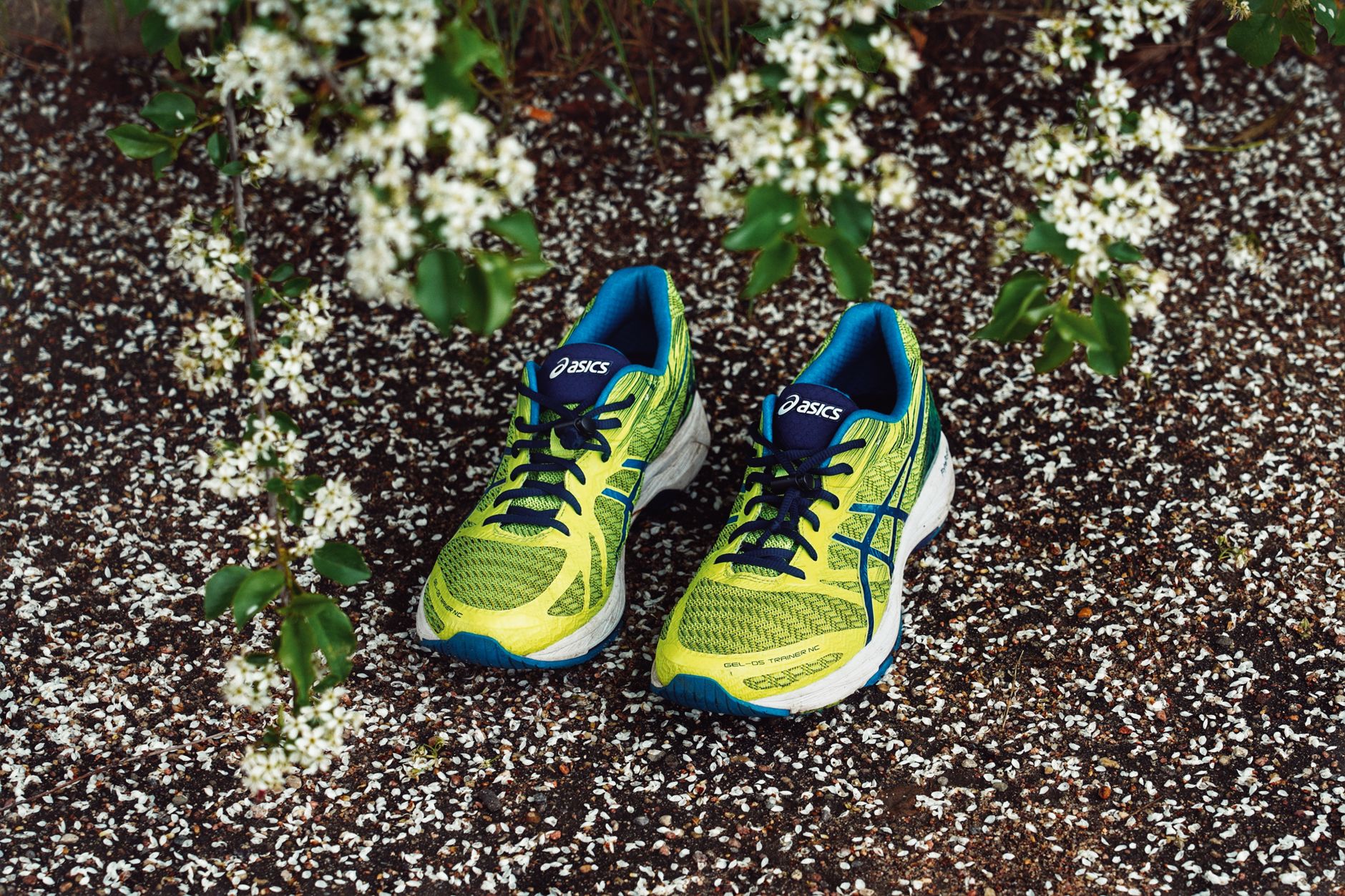
Heel strikers benefit most from shoes with elevated heel-toe drop (8-12 mm), generous heel crash pads, and structured midsole cushioning to dissipate impact forces. The best options in 2026 combine geometric heel bevels with dual-density foam to guide the foot through transition while protecting against overuse injuries.
-
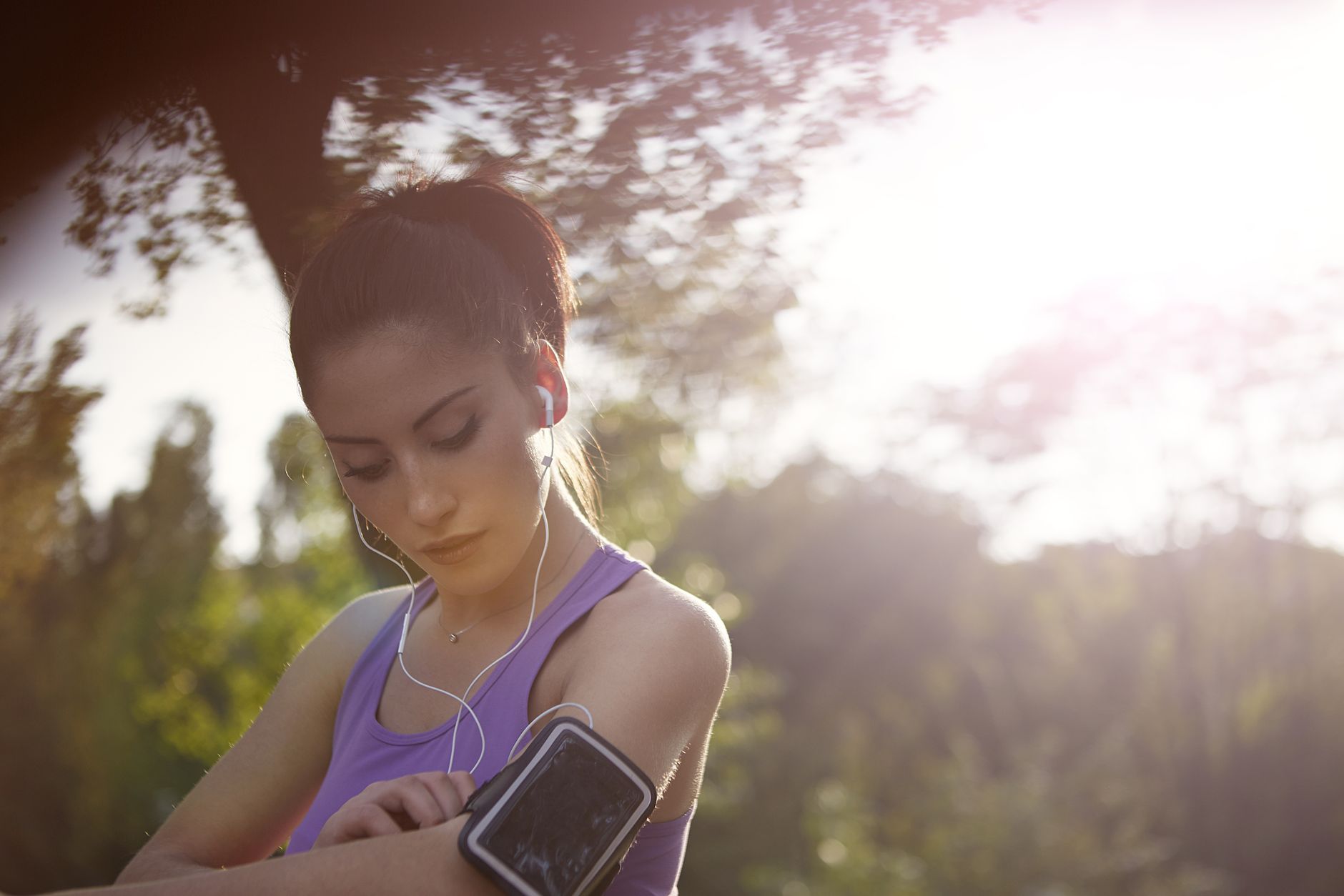
The best metronome app for cadence training depends on your goal: SoundBrenner Metronome offers visual cues and haptic feedback for multi-sensory learning, Pro Metronome provides the most precise BPM control for structured intervals, and Tempo by Frozen Ape combines simplicity with playlist integration for long runs.
-
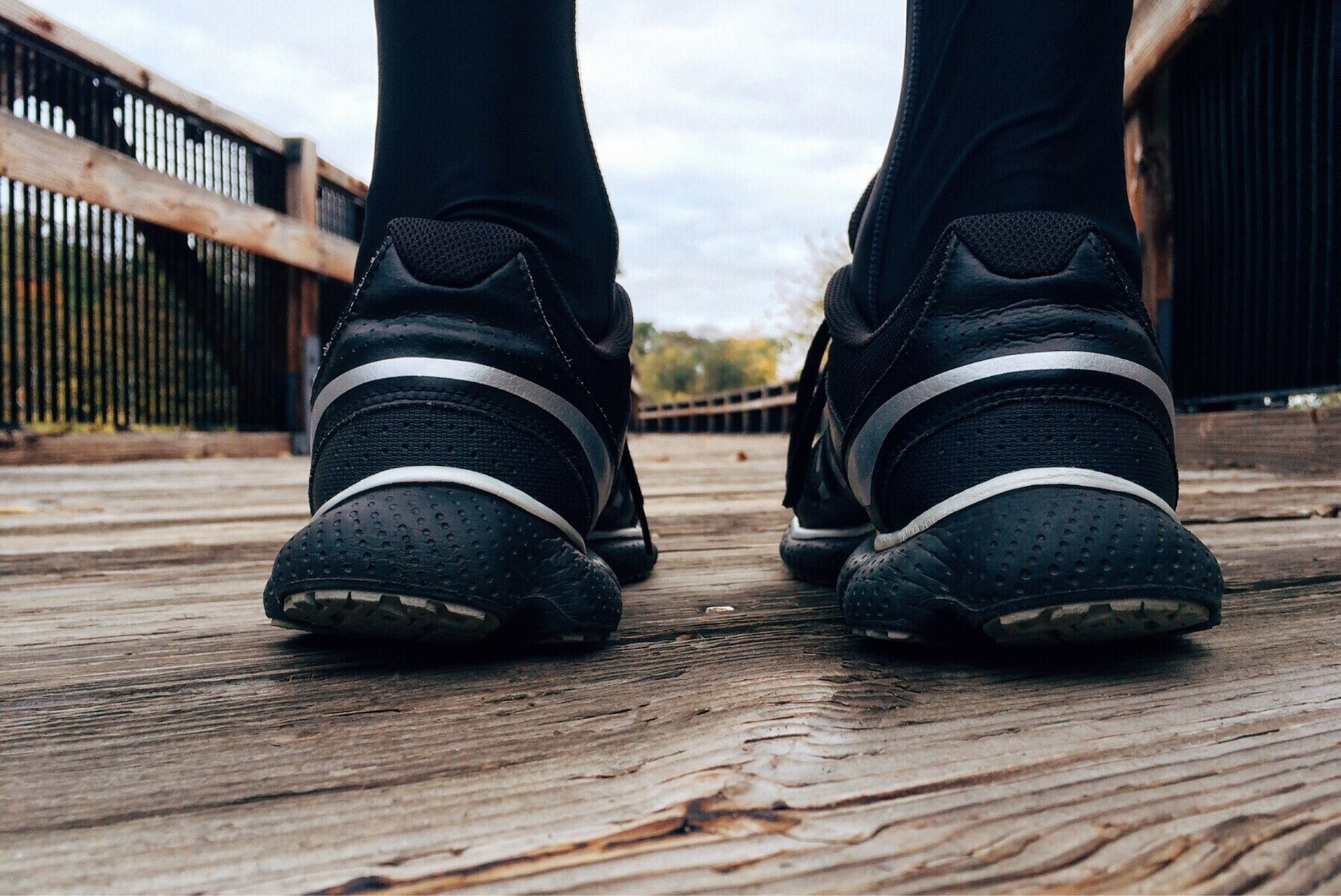
The best running shoes for forefoot strikers feature low heel-to-toe drops (0-6 mm), responsive midsoles that preserve ground feel, and rocker profiles that complement natural toe-off mechanics without forcing premature transitions.
-
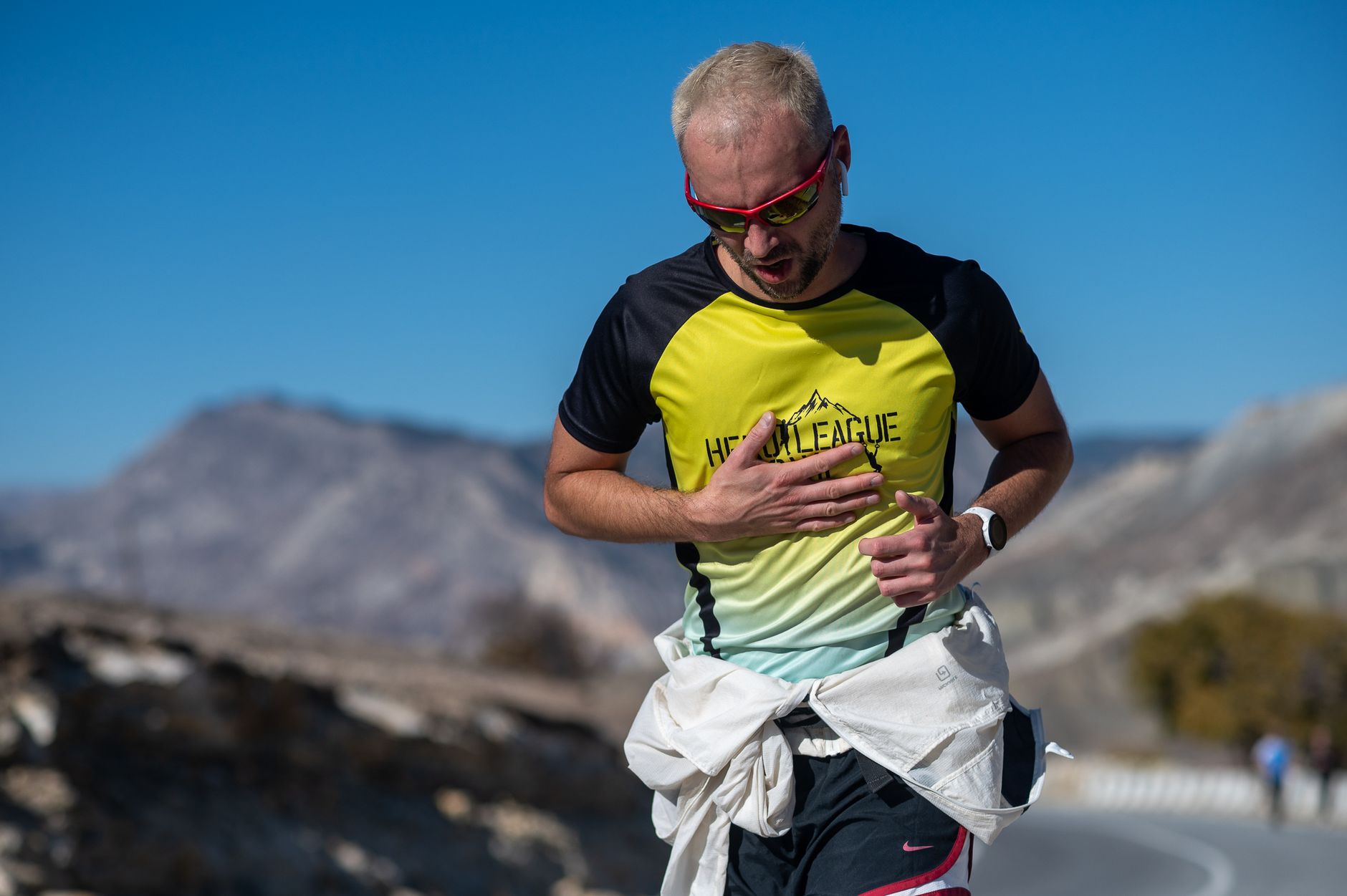
For tempo runs, chest-strap monitors (Polar H10, Garmin HRM-Pro Plus) remain the gold standard with ±1 bpm accuracy, while optical arm bands like the Wahoo TICKR Fit offer a close second at ±3 bpm without chest discomfort.
-
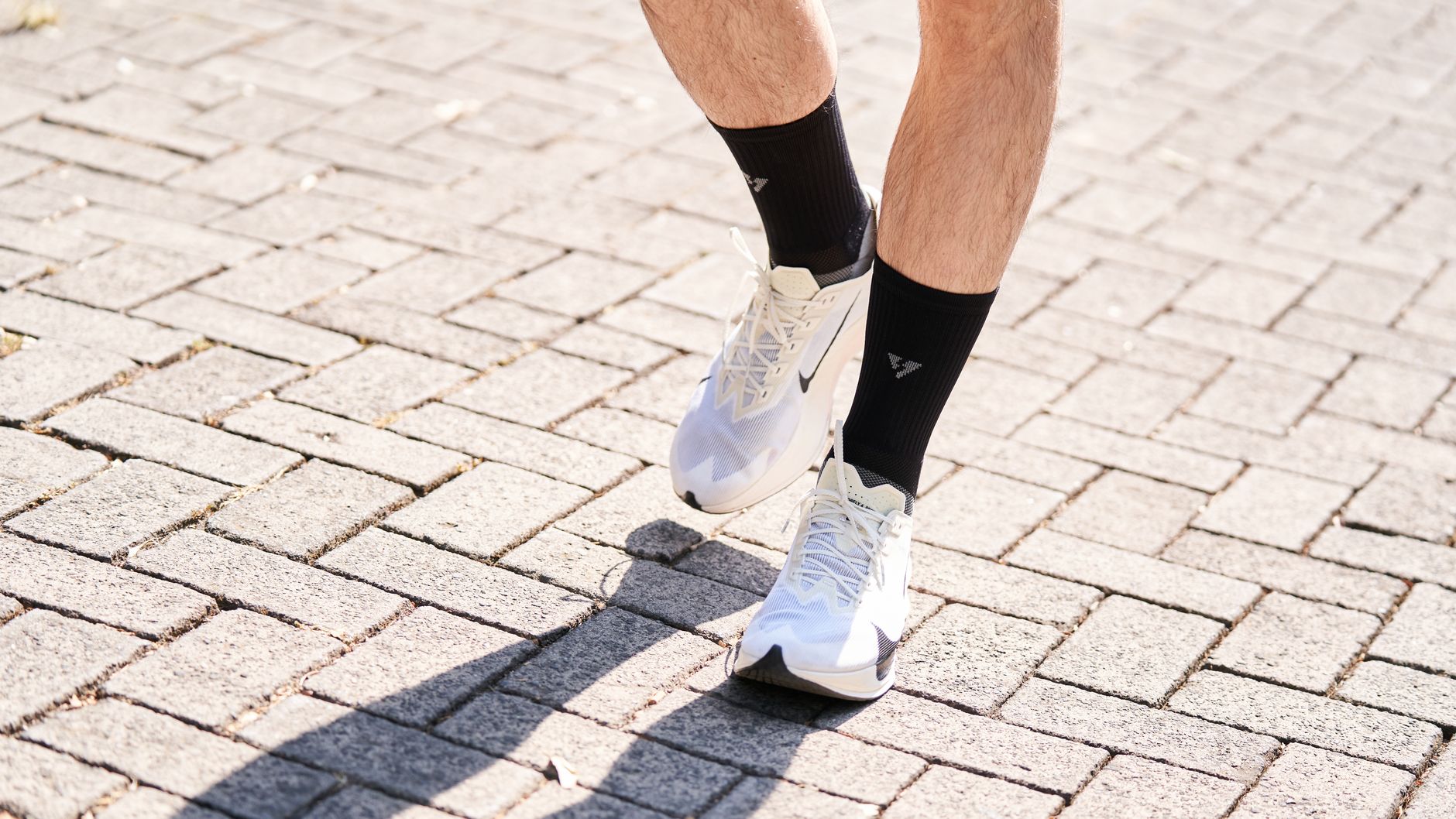
The best recovery compression socks deliver 15–20 mmHg graduated compression at the ankle, use moisture-wicking blends, and are worn for 2–4 hours post-run to reduce muscle soreness and accelerate lactate clearance.
☀
--°
Loading weather...
Detecting location...